 Skip to content
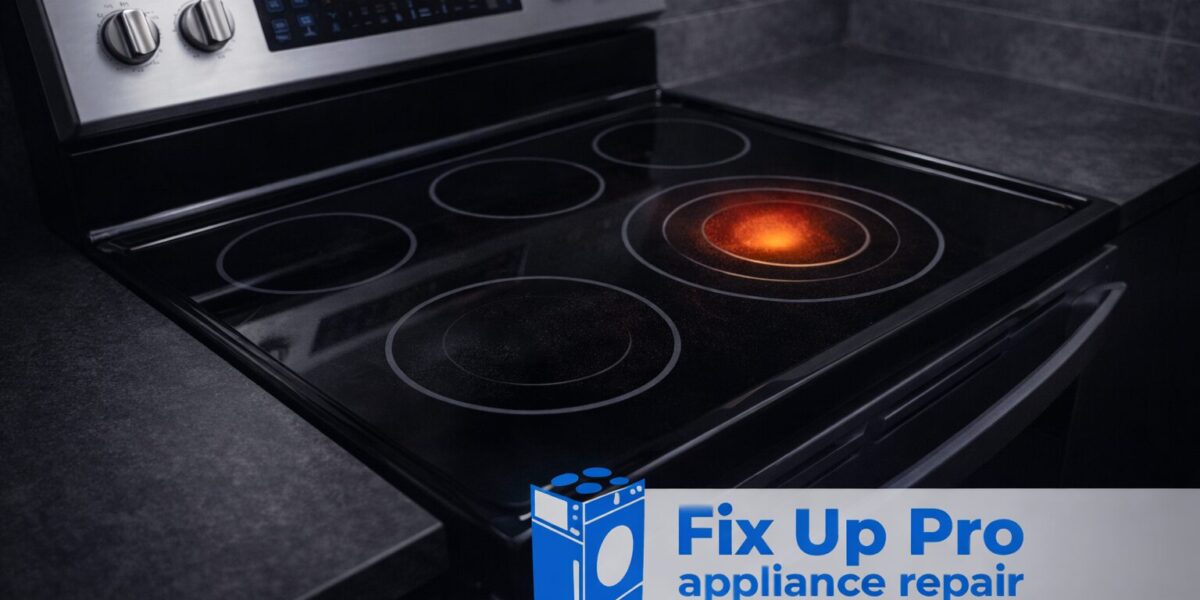
A stove often shows signs of trouble long before it stops working completely. Uneven heat, delayed response, or strange behavior from the controls may seem minor at first — but these early symptoms usually point to deeper electrical or component-level issues.
Understanding how electric stoves fail and why timely repair matters can help homeowners avoid safety risks, costly damage, and unexpected breakdowns.
Why Electric Stoves Require Professional Attention
Electric stoves rely on a combination of heating elements, internal wiring, temperature sensors, and electronic control systems. When one part starts to malfunction, the issue rarely stays isolated.
A surface burner that overheats, for example, can stress surrounding components. A failing thermostat may cause inconsistent temperatures that affect both cooking results and internal safety limits. Over time, what starts as a “small issue” often escalates into a more complex repair.
Professional stove repair focuses not only on fixing the visible problem, but on identifying the underlying cause before it spreads further.
Common Signs Your Stove Needs Repair
Many stove issues develop gradually. Homeowners often notice changes in performance before a full failure occurs. The most common warning signs include:
- Burners that heat unevenly or unpredictably
- Stove taking longer than usual to reach cooking temperature
- Controls responding slowly or not matching selected settings
- Burners staying hot after being turned off
- Inconsistent oven or cooktop performance during use
Ignoring these signs can lead to electrical stress, damaged components, or complete loss of functionality.
What Causes Electric Stove Failures?
Electric stoves experience wear differently than other appliances. Heat exposure, electrical load, and frequent use all play a role. Typical causes of stove failure include:
- Degraded heating elements
- Faulty temperature sensors or thermostats
- Worn control switches or electronic boards
- Loose or damaged internal wiring
- Power distribution issues inside the unit
-
Because many of these components interact with each other, accurate diagnostics are essential. Replacing the wrong part without identifying the root issue often leads to repeat failures.
Why DIY Fixes Often Make Things Worse
Online tutorials can make stove repair look simple, but electric stoves involve high-voltage components and sensitive electronics. Improper handling can result in:
- Electrical damage to control boards
- Misaligned or unsafe connections
- Incomplete repairs that mask deeper issues
- Increased safety risks during future use
-
Professional stove repair ensures that all components are tested, calibrated, and restored according to manufacturer specifications.
How Professional Stove Repair Protects Your Kitchen
Timely repair does more than restore cooking performance. It helps:
- Maintain stable and predictable heat output
- Reduce electrical strain on internal systems
- Extend the lifespan of the appliance
- Improve overall kitchen safety
- Prevent unexpected breakdowns during daily use
-
A properly repaired stove operates more efficiently and consistently, which benefits both performance and long-term reliability.
When to Schedule Stove Repair
The best time to schedule stove repair is as soon as performance changes are noticed.
Waiting until the stove stops working entirely often means more extensive repairs and longer downtime.
Professional diagnostics can identify developing issues early, saving time and preventing unnecessary component replacements.
Stove Repair for Residential Homes
At FixUpPro, stove repair services are focused on residential electric appliances. Each service visit begins with a detailed inspection to pinpoint the exact cause of malfunction,
followed by a repair plan designed to restore safe and dependable operation.
From heating element issues to control system problems, professional repair ensures your stove continues to perform reliably as part of your daily routine.